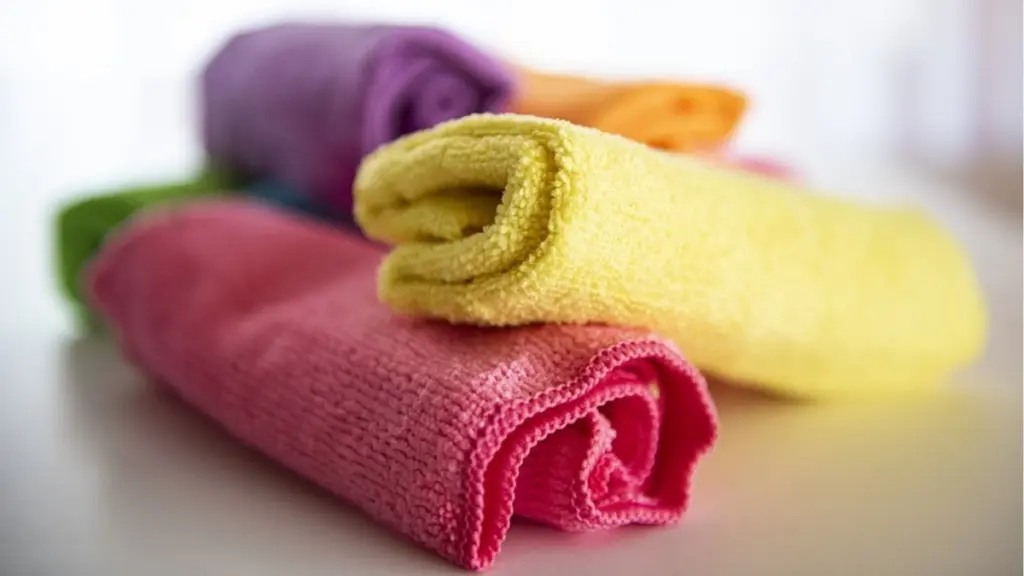
Tired of dusting your home only to find that dust reappears within hours? You’re not alone. Many of us use microfiber cloths, but few unlock their true potential. If your current cleaning routine doesn’t seem to make a dent, it’s time to rethink your approach. Discover the five simple yet revolutionary techniques that will transform your microfiber cloth into a dust-devouring machine, leaving your surfaces sparkling clean like never before.
Why your microfiber cloth isn’t working as well as it could
Most people reach for a microfiber cloth expecting miracles, but without understanding its unique properties, you’re essentially wasting half its effectiveness. Unlike traditional cotton rags that merely push dust around, microfiber’s magic lies in its incredibly fine fibers. These create millions of tiny pockets that actively trap and hold dust particles, preventing them from becoming airborne again.
Think of it like a microscopic vacuum cleaner. The slight electrostatic charge generated when you wipe attracts even the smallest dust particles, making it ideal for electronics, furniture, and any smooth surface. But here’s the catch: improper use can negate these benefits.
Unlock the full potential: 5 essential microfiber cloth hacks
1. The power of a slight dampness
A common mistake? Using a microfiber cloth bone dry. While it will catch some dust, you’re missing out on its peak performance. A *slightly* damp cloth is the secret weapon.
- Why it works: Dampening the fibers causes them to „open up,“ significantly increasing their dust-capturing capacity.
- The right way: Get the cloth wet, then wring it out thoroughly. It should feel barely moist to the touch, not dripping.
- The result: This simple step dramatically boosts efficiency, especially on larger surfaces like cabinets and shelves where dust accumulates quickly.
2. Fold it for maximum surface area
Ever wonder why your cloth fills up so fast? You’re probably using it flat. The smarter way is to fold it into quarters.
- The advantage: This gives you multiple clean surfaces to work with in one go.
- How to do it: Fold the cloth into an 8-section square. Use one section until it’s dusty, then flip to a clean one.
- Efficiency boost: This prevents re-depositing dust and makes one cloth do the job of several, especially for extensive cleaning tasks.
3. Slow down for a deeper clean
Speed cleaning can be counterproductive. Rushing with your microfiber cloth often just stirs dust into the air.
- The principle: Slow, deliberate movements allow the microfiber’s structure to effectively grab and hold onto dust.
- Target areas: This is crucial for delicate surfaces like TV screens, computer monitors, and varnished furniture where dust is highly visible.
- Thoroughness: Gentle strokes ensure you don’t miss any spots, leaving a truly spotless finish.
4. Proper washing keeps it working
Your microfiber cloth’s effectiveness hinges on how you clean it. Ditch the fabric softener – it’s the enemy of microfiber!
- The softener problem: Fabric softeners coat the fibers, diminishing their dust-trapping abilities.
- The right wash: Use a small amount of mild detergent in cool water.
- Keep it separate: Avoid washing with cotton items, as microfiber easily picks up lint.
Following these washing guidelines ensures your cloth maintains its structure and continues to perform like new for a long time, saving you money and effort.
5. The ‚spray and wipe‘ secret for less dust
Want to proactively reduce dust buildup? There’s a simple trick involving a spray bottle.
- The method: Lightly misting the surface with a specific solution *before* wiping can significantly reduce how quickly dust re-settles.
- What to use: A light solution of water with a drop of dish soap or a specialized dust-repellent spray works wonders.
- The outcome: This creates a barrier that traps airborne particles more effectively, meaning you’ll dust far less often.
The final touch
Mastering these five simple techniques will transform your microfiber cloth from an ordinary cleaning tool into an indispensable ally against dust. It’s surprising how such minor adjustments can lead to a noticeably cleaner home with less effort. What’s your favorite cleaning hack you swear by?